Independent vs. Main Dealer Servicing in Cornwall: A Cost and Convenience Comparison
October 12, 2026 - Local Garages
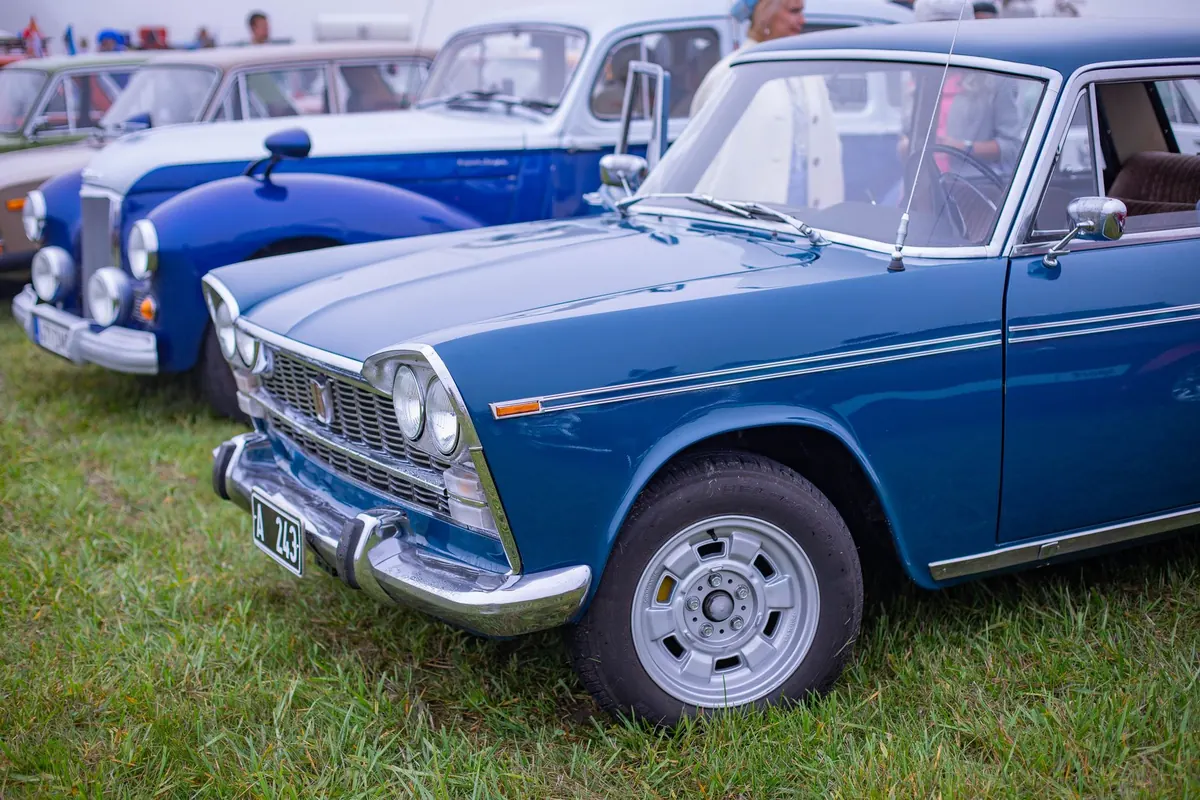
Cornwall's motoring year runs on its own clock. Club nights restart when the evenings stretch, the big shows bunch up around the school holidays, and the best driving happens after the crowds have gone home. Plan properly and you can fill almost every weekend from April to October, plus a few winter events worth digging out the waterproofs for. What follows is a month-by-month guide to the shows, meets and motorsport that make up the Cornish season, along with a few hard-won tips on planning around the weather, the traffic and the tide tables.
Dates shift, venues move and the Cornish weather always gets the final vote. Treat every entry below as a starting point and confirm the details with the organising club before you set off.
April is when the county wakes up. The first Sunday drive-outs appear on club calendars, often as gentle runs from a pub car park to a coastal viewpoint, and the national Drive It Day at the end of the month usually brings out everything from Austin Sevens to modern hot hatches for a charity run. Expect a lot of smiling, a lot of flask coffee, and a queue for the car park at somewhere like Gwithian or Padstow.
May is bank holiday month, and that means three chances to get the car out. Local clubs — Camel Vale, Newquay & District and their neighbours across the Tamar — typically run autosolos, treasure hunts and the first evening noggins of the year. Dawn starts are common; a 7am meet at a lay-by on the A39 is a Cornish tradition, and it means you get the coast road to yourself before the caravans wake up.
This is the busy stretch. The Royal Cornwall Show at Wadebridge in June always has a strong vintage machinery and vehicle section, and it is a good place to spot the cars that only come out once a year. From there the calendar fills fast: village carnivals with classic car parades, charity shows on village greens, and static displays at attractions from Flambards to the Eden Project.
July tends to bring the big set-piece events — steam and transport rallies on country estates, plus the first serious motorsport. Hill climbs and sprints run on private estates and former airfield venues, and they are the most accessible motorsport in Britain: park in a field, walk to a bank, watch everything from a standard road car to a full competition special attack the same climb.
August is peak season, and that changes the experience. The roads into Newquay, St Ives and Padstow are slow, Boardmasters week is best avoided entirely if you are towing, and show car parks fill before lunch. Go early, leave early, and consider travelling against the flow — head inland while everyone else heads for the beach.
Ask most Cornish enthusiasts when the best month is and they will say September. The crowds have gone, the light is low and golden, and the coast road between St Austell and Land's End is finally worth driving for pleasure again. Expect charity runs, autumnal classic meets and a spate of "last of the season" shows before the fields get too soft for parking.
October is quieter but still worth clearing a weekend for. Night navigation events, autotests and the odd hill climb finale keep things ticking over, and the indoor season begins with tabletop autojumbles and club socials. It is also the month when the smarter organisers schedule their runs for the middle of the day and build in a pub lunch stop.
Cornwall does not shut down, it just moves indoors. Restoration projects come out of the garage, club nights get technical talks and film evenings, and a few hardy souls keep the mince pie run tradition alive through December. The one date that really matters is New Year's Day, when classic car meets spring up at coastal car parks and village squares across the county — short, informal and usually finished with a hot drink by 11am.
Winter is also the time to plan. Entry regulations for next season's hill climbs and sprints are usually published early in the year, and the popular events sell out fast. If you want to compete rather than spectate, this is when you join a club and get your licence paperwork moving.
A little preparation turns a good weekend into a great one. Cornwall is long, the A30 and A38 are the only real arteries, and a show at Wadebridge can be a two-hour drive from Penzance in August traffic.
Every hill climb, sprint and autotest in Cornwall runs on volunteers. Marshals are almost always needed, training is free, and you get a ringside view that no spectator ticket can match. If you would rather compete, start with an autotest or an autosolo — you need a standard road car, a club membership and a reasonable helmet, and you will learn more about car control in a wet field than in a year of Sunday drives.
Whatever you do, respect the basics. Do not rev the engine in a village at 8am. Do not leave litter in a farmer's field. Do not park across someone's driveway because a convoy of MGBs looked like it was going that way. Cornish events survive on goodwill, and goodwill runs out fast when a venue gets complaints.
Get it right and the reward is the best of both worlds: a calendar that keeps you busy from the first spring run to the last mince pie meet, and a county that, when the crowds go home, offers some of the finest driving roads in the country.
Photo: Valeria Boltneva / Pexels
Main dealers and Cornish independents both have a case. How price, warranty, parts and travel time really compare —...

A practical checklist for finding a reliable garage in Cornwall: what to ask before booking, how to check reviews...
Copyright © 2026 Cornish Motoring. All Right Reserved.